
 Continue with onX Maps
 Sign in with Facebook








SWAMP Anchor with double overhand
|
|
In spring I stumbled across this SWAMP anchor: https://www.alpinesavvy.com/blog/learn-the-swamp-anchor Having now used it all summer long, I value how it saves on material allowing for better angles and even the placing of 3 pieces of protection with just a 120cm sling. Basically one sling is divided into two loops separated by an overhand knot. Place the knot where you want to size each loop according to your needs. It's not a self equalizing anchor, but it is redundant should a piece of protection pull and there shouldn't be much extension either. 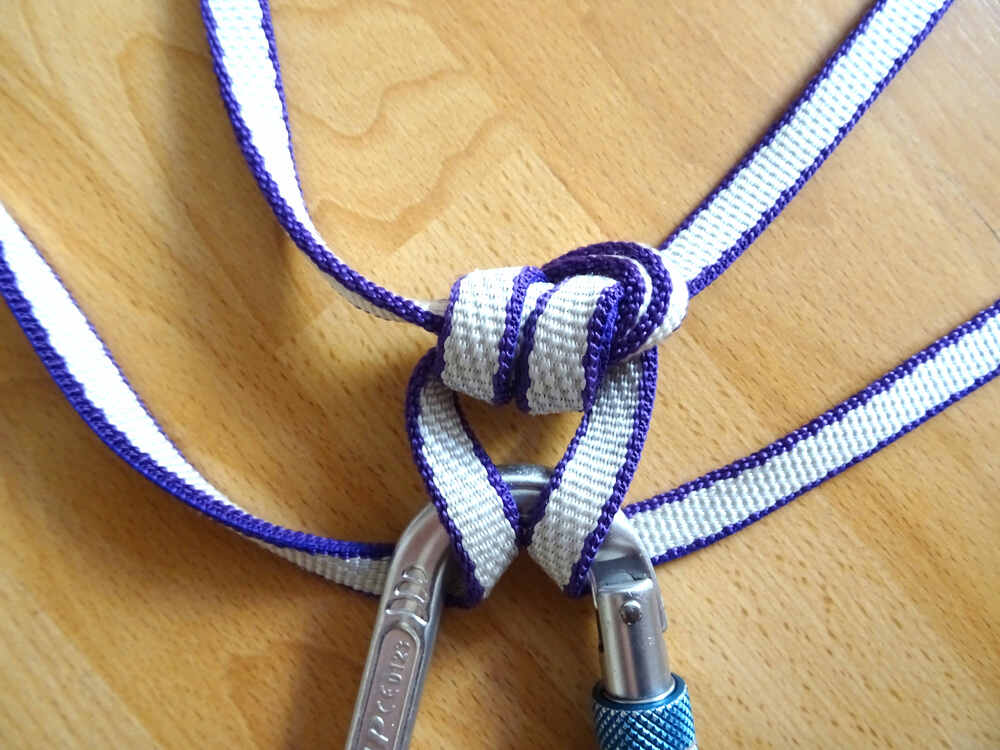 Double Overhand Offset 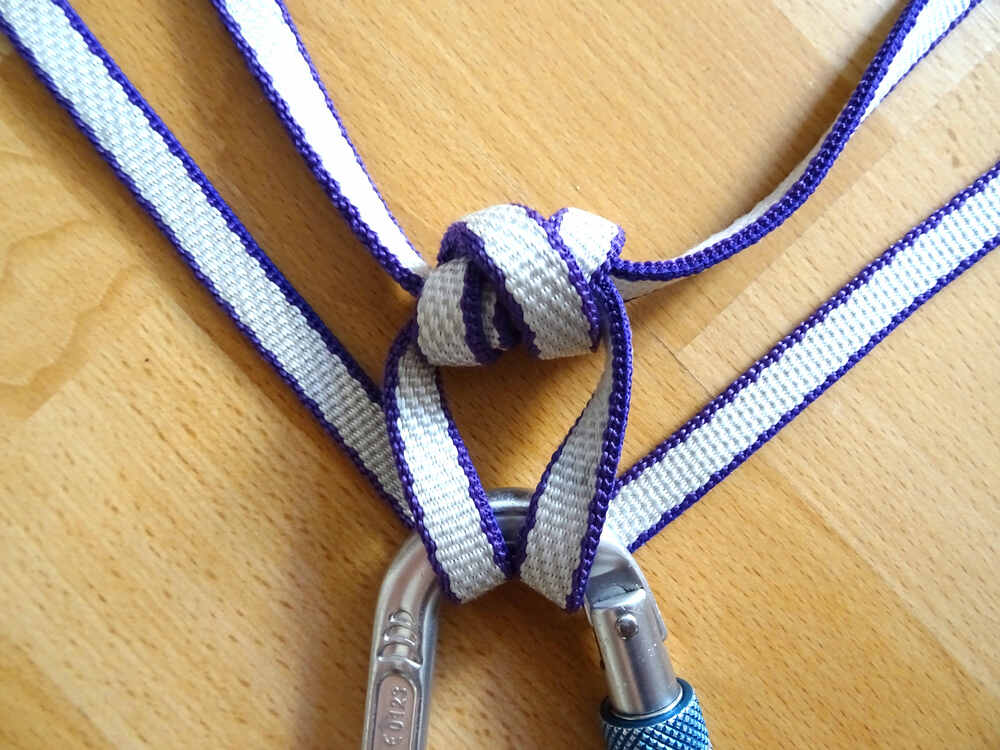 Double Overhand Symetrical |
|
|
I'm glad you brought this up! I agree that the SWAMP anchor is not truly redundant. This issue also exists with a clove or girth hitch anchor, and can be somewhat mitigated by using a "girth X". An overhand on a bite or quad could also fail if one side were cut close enough to the knot. The reality is that every anchor has drawbacks. In a situation where there is risk of the sling being cut, it is best to move the anchor. If this isn't possible, use the rope or cord, or use entirely separate slings (one to each piece). As a side note, it would be interesting to see some break tests of a SWAMP anchor where one piece has failed (sling intact). I'd bet the overhand would roll a few times, then break around 7kn. I'd be surprised if using a double overhand makes much of a difference in dyneema. As for rappelling, a properly dressed EDK is plenty safe with ropes of similar diameter, best not to complicate it. |
|
|
Jason Zevenbergenwrote: Sorry, the linked report below is in German, but the Austrian technical supervisory board (TÜV Austria) did some tests on slings tied with dyneema and nylon chord used in alpine anchors. The study stated that the gibbs' bend performs the same as re-threaded overhand (inline) knot as apposed to the overhand offset. If that is true, then by doubling the overhand knot in the middle of the SWAMP anchor's sling (creating a Gibb's bend) then non--rolling knot properties similar to an in-line re-threaded overhand can be achieved. That would suggest some redundancy in the case a sling was cut. Still a nice anchor setup, even it is not perfect. https://www.alpine-rescue.org/ikar-cisa/documents/2013/ikar20131206001102.pdf Packetknoten = Gibb's bend |


|
Noel Zwrote: Updated link: alpine-rescue.org/system/pr… |
|
|
Noel Zwrote: Andy DOESN'T say an arms length he says forearm and this is normal body measuring. pg 198 #3 Forearm Tails "the knot should always have a tail at least a forearm in length (30cm) after tightening , but no longer" He also suggests that the "Half Gibbs Offset bend" "is perhaps the knot we should all be using, as it works better when dealing with mismatched ropes and is alo more forgiving, all for one extra loop around". In my opinion the order of choice would be remembering KISS... 1. Offset Overhand Bend 2. Half Gibbs 3. Stopper tied with two strands PS get a nylon sling and you won't be so nervous about a knot tied in the dyneema sling |
|
|
Hello Simon, When I discover/invented this joining knot (ie 'bend') in July 2011, I didn't name it 'half Gibbs'. As for joining 'mismatched ropes' - the regular (ABoK #1410) offset overhand bend (aka 'EDK') also works just fine with 'mismatched' ropes (Note: Further info below). When joining ropes with different diameters, attention must be given to precisely where the thinner rope is positioned relative to the thicker rope. Refer to my technical paper on 'Offset rope joining knots' at this link: http://www.paci.com.au/knots.php (at #5 in the table). Caution: Its a deep dive technical paper written for knot geeks and people who want to learn more...so its not for everyone! |
|
|
My reply somehow got off the so called SWAMP anchor. It's "proper" name appears to be "répartiteur vertaco" and was from the Vercours region. That translates as the Vertaco Equaliser. It has been used for a long time also in the U.K where they certainly from my experience had no name for it. |


