
 Continue with onX Maps
 Sign in with Facebook








Climbing First-Aid/Medical kits


|
|
What first-aid, first responder gear, or medical gear do you carry with you when you head out for a day?
|
|
|
A powerful whistle, I always carry one |

|
This is my multi-pitch setup. Feel free to ask any questions! 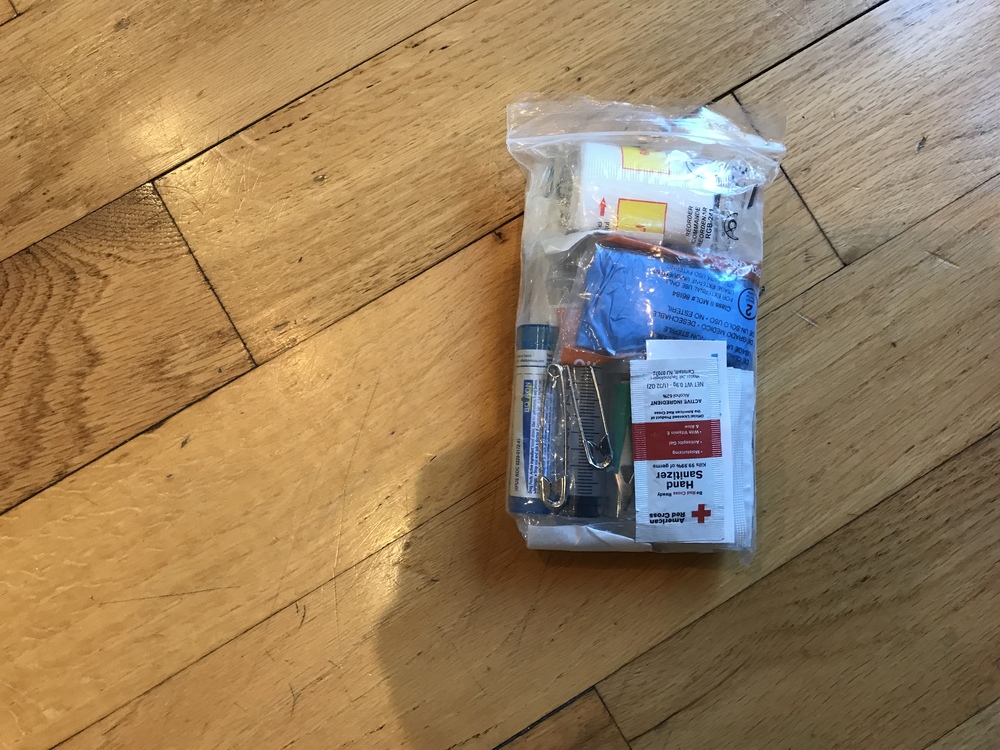  |
|
|
Chris K wrote: What first-aid, first responder gear, or medical gear do you carry with you when you head out for a day? This has been hashed out some on MP already but I think it's important to bring it up on your post; depending on slings, carabiners, and other material for a tourniquet is not a good plan. A NAR CAT weighs next to nothing considering it's function. It's not something that will be needed a lot if any on a backcountry trip or climb but if the need comes there's nothing better that could be used out there. Improvised TQs are good in theory but aren't nearly as effective. How many hours will one need to wait if a rescue is required? How much distance will one need to trek and through what kind of terrain? If I had a major extremity bleed controlled by a TQ I wouldn't want the chance of slippage, loosening, or stretch to be a major concern. Just food for thought. |
|
|
Ben, is that hollow block (at least that's what it looks like) for purposes of a tourniquet? |
|
|
No, for rescue. |

|
|
|
|
I was a medic for 30 years. The extent of my kit in the backcountry is a roll of tape and Advil. |
|
|
Jay Dee wrote: I'm well aware.. I look at the potential situations and think for the most part that I won't be in a situation where a CAT is required. So with that in mind, is why I chose to depend on a sling. Again like you said it is very situation dependent. |
|
|
Kevin Mokracek wrote: I was a medic for 30 years. The extent of my kit in the backcountry is a roll of tape and Advil. my gf used to work on an ambulance for several years. We really don't use that much stuff. Bringing a blanket and tarp is useful for where we climb where it gets colder in the shoulder hours and rain occurs every day. |
|
|
jay steinke wrote: A powerful whistle, I always carry one But what if you're out of earshot of anyone? |
|
|
Mike McKinnon wrote: Agree 100%. I’m a WEMT and aside from having a neck and other splints traced out on my packs back foam, plus knife and tape, I just bring a few of the strongest pain killers I have. The rest is easy to improvise. But it really amounts to pain management for serious trauma in the BC. I know firsthand plenty o’times. And you generally wait around less if you get yourself out. |
|
|
Oh I recently started carrying a Emergency Locater thing that also allows texting. My wife bought it for me but from the point of view of a rescuer they are great. I can’t tell you how many times I went off on searches having little idea where the victim was. If they could press the SOS function or even send a text through the device it would have saved tons of time. If you think it takes away from the adventure then stop being selfish and think about it from the rescuers point of view who WILL come looking for you. |
|
|
First-Aid is aid |
|
|
J V wrote: I was using the Inreach by DeLorme but it was fairly pricey for the monthly plan and it ended up breaking down so I started looking for something different. I landed on the Somewear Labs device. It's $15 a month for the cheapest plan. |
|
|
I've been on the wall in every type of weather WNC can throw at you, and I would never consider carrying a tarp here "just in case". |
|
|
Mike McKinnon wrote: Yeah! Though I do have a SAM splint in my pack (had to give mine to people twice for broken ankles). Most of the first aid kits out there are filled with things that are rather useless. Things that I actually used over the years, and carry with me (other than painkillers as mentioned above) are largely comfort items, and admittedly come in more handy with kids, but every one of the items listed below has been used, at one point or another, by a grateful adult. — baby wipes. 1000s of uses, the most-often borrowed item from my pack. —saline eye drops (it amazes me how many people would have a contact lens mishap while climbing... I don’t even have contacts, but it is nice to have eye drops around for those times when a bug flew into your eye, or you got a face full of sand on a windy day, or you are looking up at your climber, and the route is, she’ll we say, dirty.) —splinter-outs. Sure, a splinter is not an emergency, you can deal with it after you get out, but depending on location it can be really painful:annoying, and if you can get it out quickly/easily, why not? —Benadryl and hydrocortisone ointment. I also have, in the car, not in the pack, a poison ivy wash. |
|
|
Brian Abram wrote: I've been on the wall in every type of weather WNC can throw at you, and I would never consider carrying a tarp here "just in case". I guess it depends on the person then. My tarp weighs in at 5 ounces and it’s been useful several times. What chalk bag do you use? |
|
|
In addition, I also like to bring some stimulants. Caffeine pills, nicotine gum, other... yknow similar things. Nothing is scarier than rapping in the dark after a long day when you're hurt and exhausted and not thinking clearly. |
|
|
Mike McKinnon wrote: The problem now is access to good strong pain meds. Fortunately and unfortunately they are becoming harder and harder to get. I can't get anything stronger than 800mg ibuprofen |
|
|
The one thing I carry that I don't see here is Trauma shears, can use them for a ton of shit (cutting rope / webbing / slings for anchors as well) and the self rescue applications are all over the place. Not even necessarily a "first aid" choice, just nice for a lot of reasons. |


